
Equipment buying guide

Fiber Laser vs Plasma: A Buyer’s Comparison

Compare fiber laser and plasma using your materials, drawings, accepted-part quality and complete production costs. Plan a practical cutting trial.

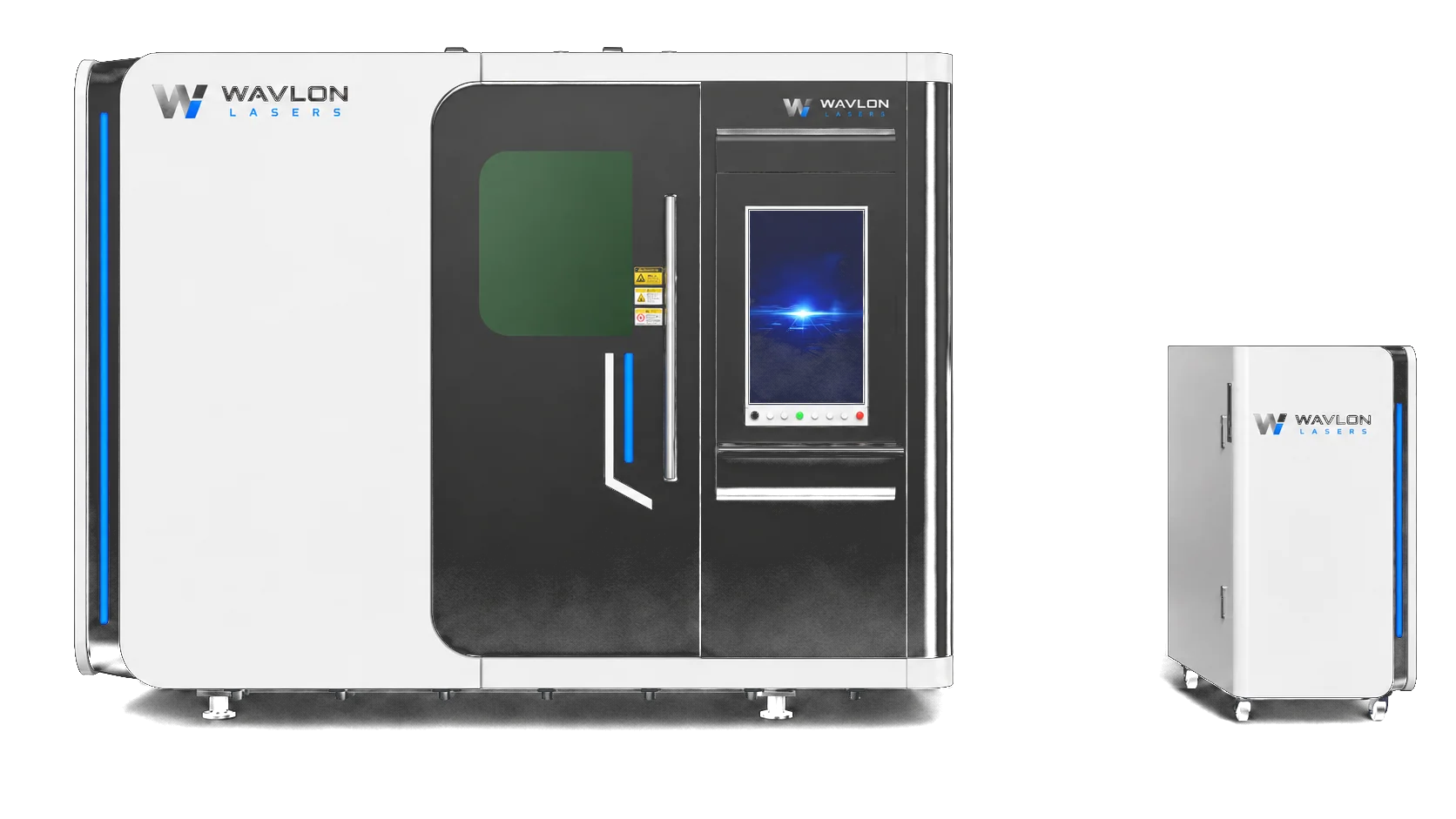
Wavlon UltraCut fiber laser machine

Compare the finished job

Choose representative thin, typical and demanding parts from your own workload. Give both suppliers the same files, quantities and inspection requirements. Keep the proposed equipment and process settings recorded with the results.

Cutting-process comparison checklist
DecisionRecord for each process
Material and geometryGrade, thickness, part size, holes, slots and any bevel requirements.
QualityDimensions, edge angle, burr or dross, edge condition and downstream fit.
Production timeProgramming, setup, loading, cutting, unloading, sorting and finishing.
CostsEquipment scope, utilities, gas, consumables, labour, maintenance and accepted material yield.
Site fitWorking area, extraction, utilities, material movement and operator requirements.

There is no universal thickness or price boundary that selects the best process for every shop. Compare the exact machines and acceptance criteria being offered.

Make the trial useful

  1. Select repeat parts and agree what makes each one acceptable.
  2. Record total batch time and all secondary work.
  3. Calculate total batch cost divided by accepted quantity.
  4. Repeat the comparison for your expected material mix and volumes.

Prepare a sample inspection checklist and compare Wavlon sheet machines.

Further reading: Hypertherm’s process-selection overview. Manufacturer comparisons are a starting point; verify results for your application.

Answers for your buying decision

How should I compare fiber laser and plasma for my parts?

Compare both processes on the same material, thickness, drawings and finished-part acceptance criteria. Laser is worth evaluating for fine features and demanding tolerances; plasma is worth evaluating where its cut quality meets the job and its equipment and running costs suit the workload. Neither process is the lowest-cost choice for every part.

Measure complete production time, usable material yield and any deburring, drilling or edge preparation. Use cost per accepted part, not cutting speed alone, to compare the proposed configurations.